Maximizing Shelf Life for Retail
Fresh bread is one of the most time-sensitive products in any grocery store or restaurant supply chain. For Middle Eastern bread in particular — pita, markouk, tannour — the window between "peak freshness" and "unacceptably stale" is shorter than most retailers expect.
After years of partnering with grocery chains, delis, and restaurants across Michigan, we've compiled the most impactful best practices for keeping our bread at its absolute best, from our loading dock to your customer's hands.
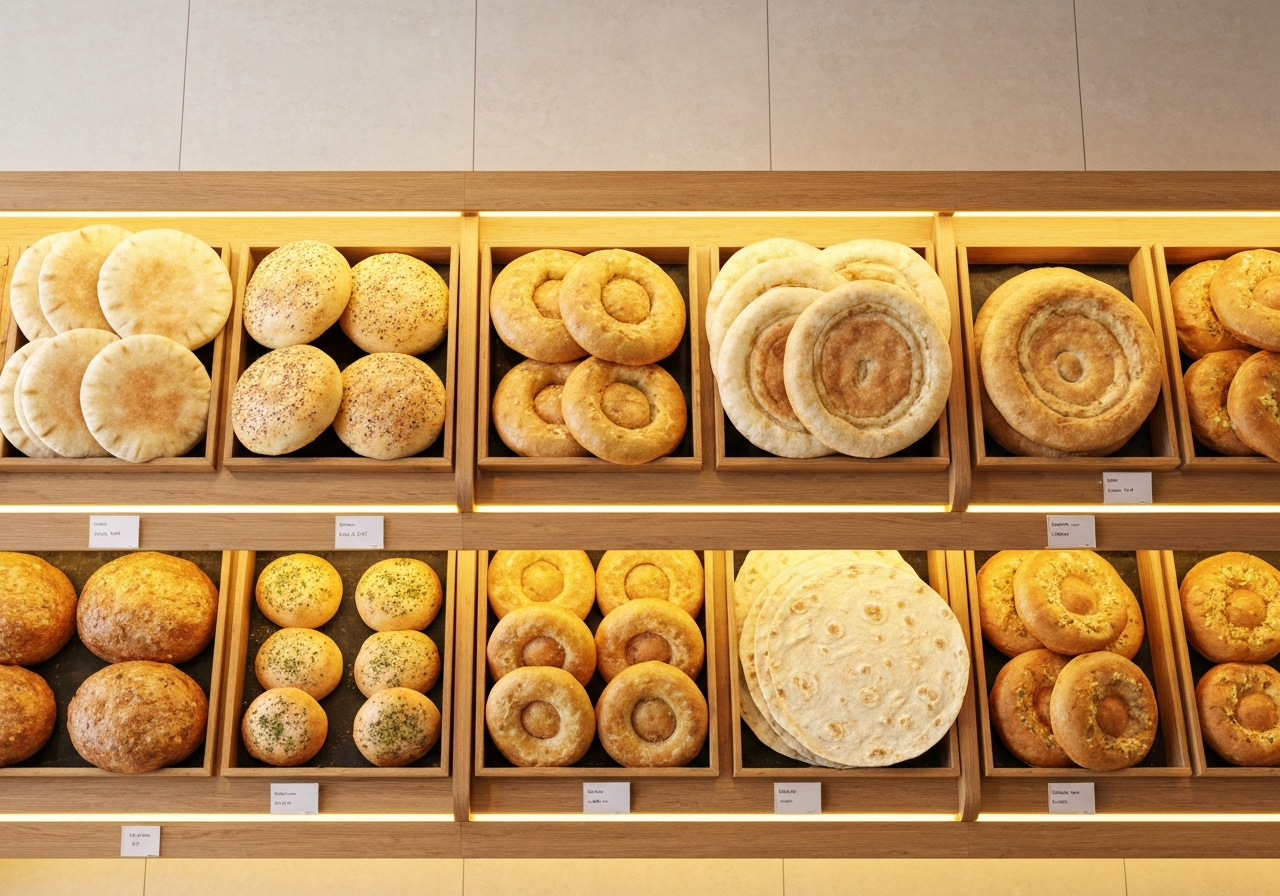
Four Rules Every Retailer Should Follow
Store at Room Temperature First
Freshly delivered Middle Eastern bread should be kept at room temperature (65–72°F) for the first 24–48 hours. Refrigerating too early accelerates staling by disrupting the starch retrogradation process.
Packaging Matters More Than You Think
Our bread ships in sealed, moisture-balanced bags. Never re-bag in airtight plastic — flatbreads need a small amount of air exchange. Use perforated poly bags or cloth bags for display.
FIFO Is Non-Negotiable
First In, First Out rotation is essential. When restocking shelves, always pull forward the older product and place fresh delivery behind it. Even a half-day difference in age affects softness noticeably.
Freshness Signage Drives Sales
Retailers who add a 'Baked Fresh' shelf tag see up to 23% higher sell-through on Middle Eastern bread categories. Customers respond strongly to freshness cues — use them.
Freshness Reference Guide
Our Commitment to Freshness
Every wholesale order from Al Shams ships within 24 hours of baking. We include a printed production date on every case so you always know exactly how fresh your inventory is.
We also offer flexible delivery schedules — daily, bi-weekly, or weekly — so you can match your inventory turnover to your sales velocity without carrying excess stock.
Ready to set up a wholesale account?
Get Started Today